Platform
Web, iOS, Android
Domain
Creator Tools / SaaS / eLearning
Scope
End-to-end product design (Web & Mobile)
15,000+
Passion.io now powers over 15,000 creators, who have collectively launched more than 15,000 apps.
$100M+
Creators on the platform have generated over $100M in revenue, making Passion.io the #1 no-code app builder.
2M+
The platform now serves 2M+ paying app users, rated 4.5/5 from over 1,700 Trustpilot reviews.
My role
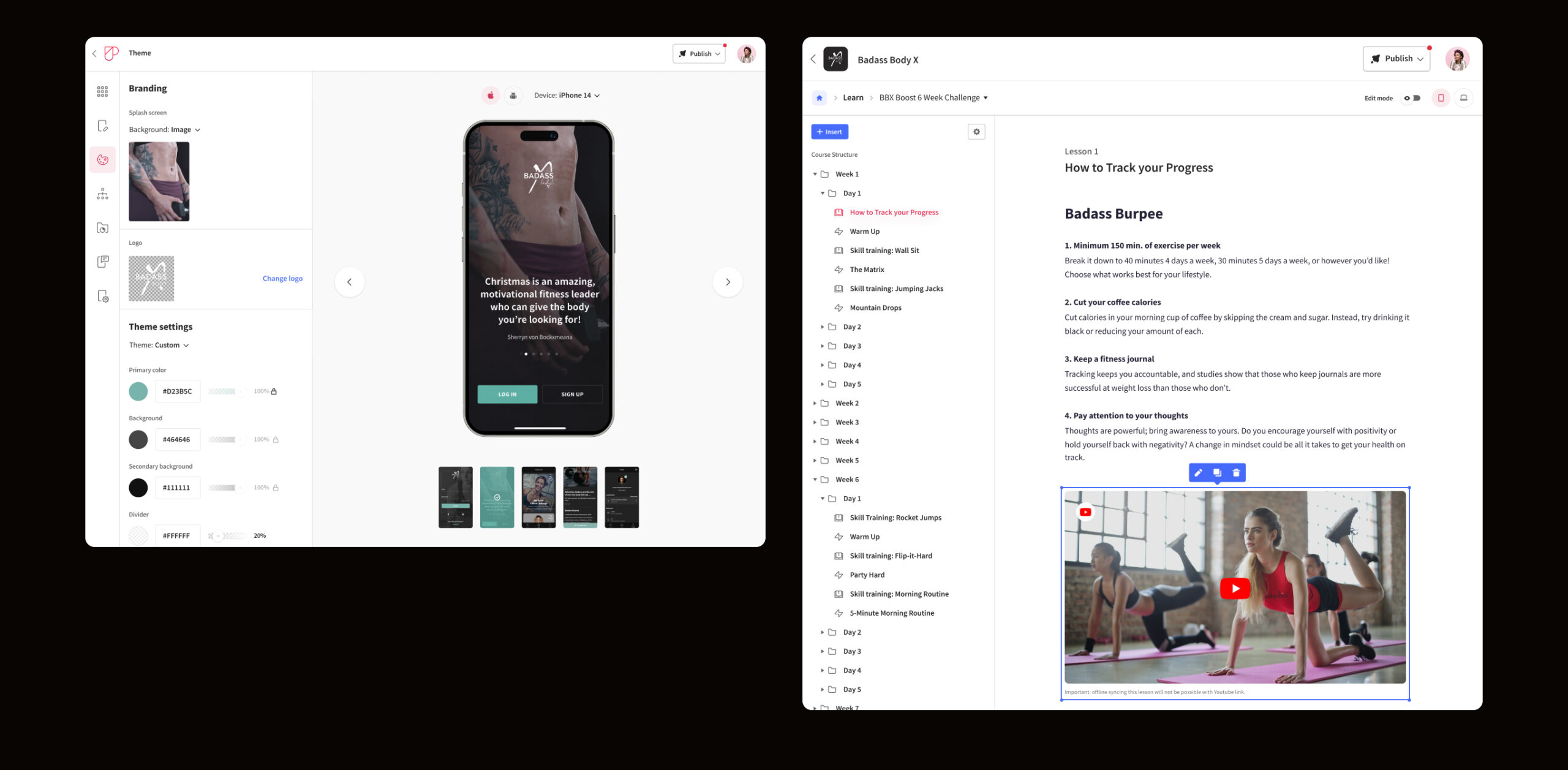
- Designing for two distinct user types — Every design decision had to serve both creators (building and configuring their apps) and end-users (consuming content). I structured interfaces to serve each context clearly, avoiding the complexity bleed that happens when both audiences share the same surface — most visible in widgets and the notifications centre, which had to work coherently on both sides of the platform.
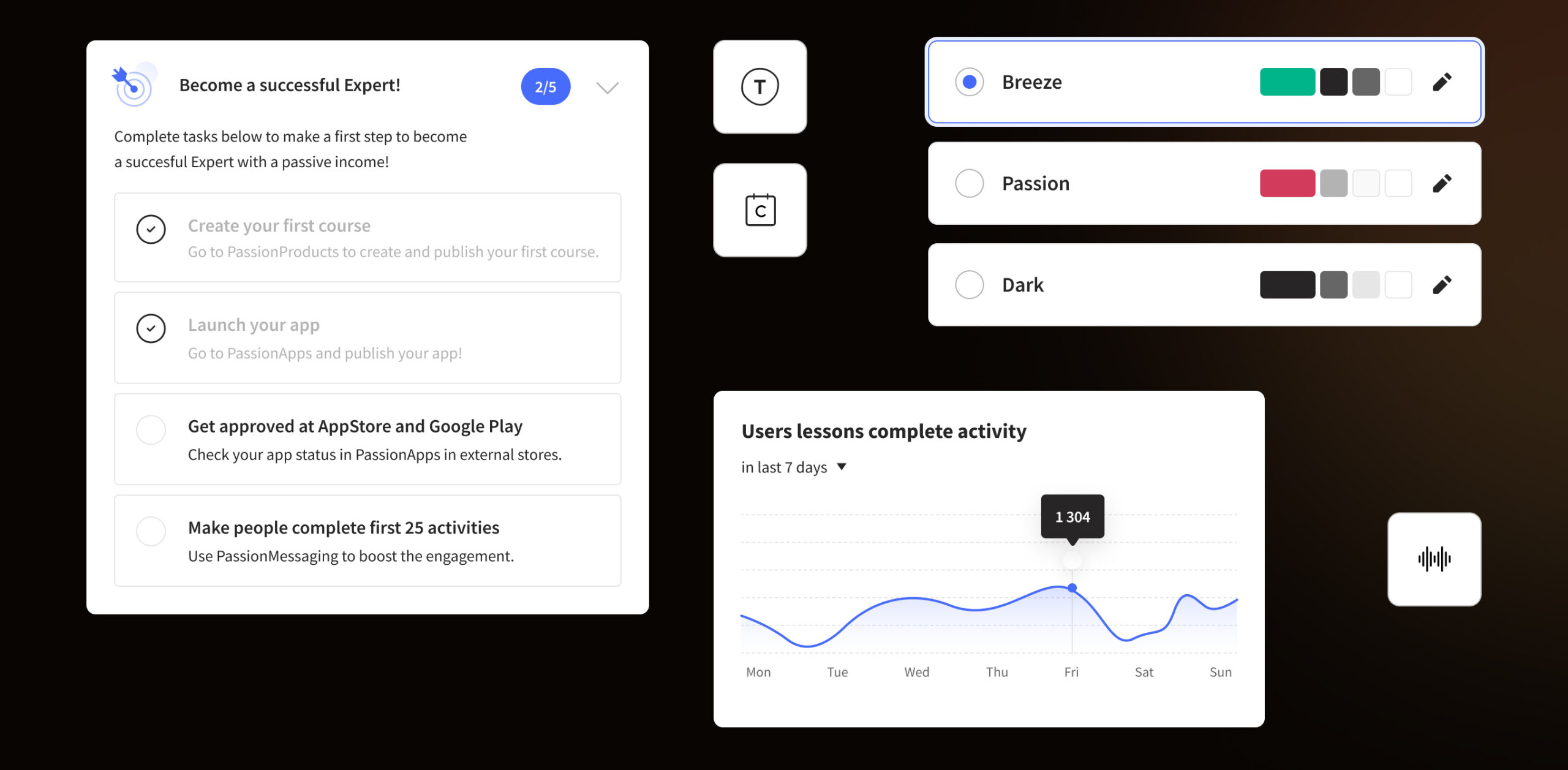
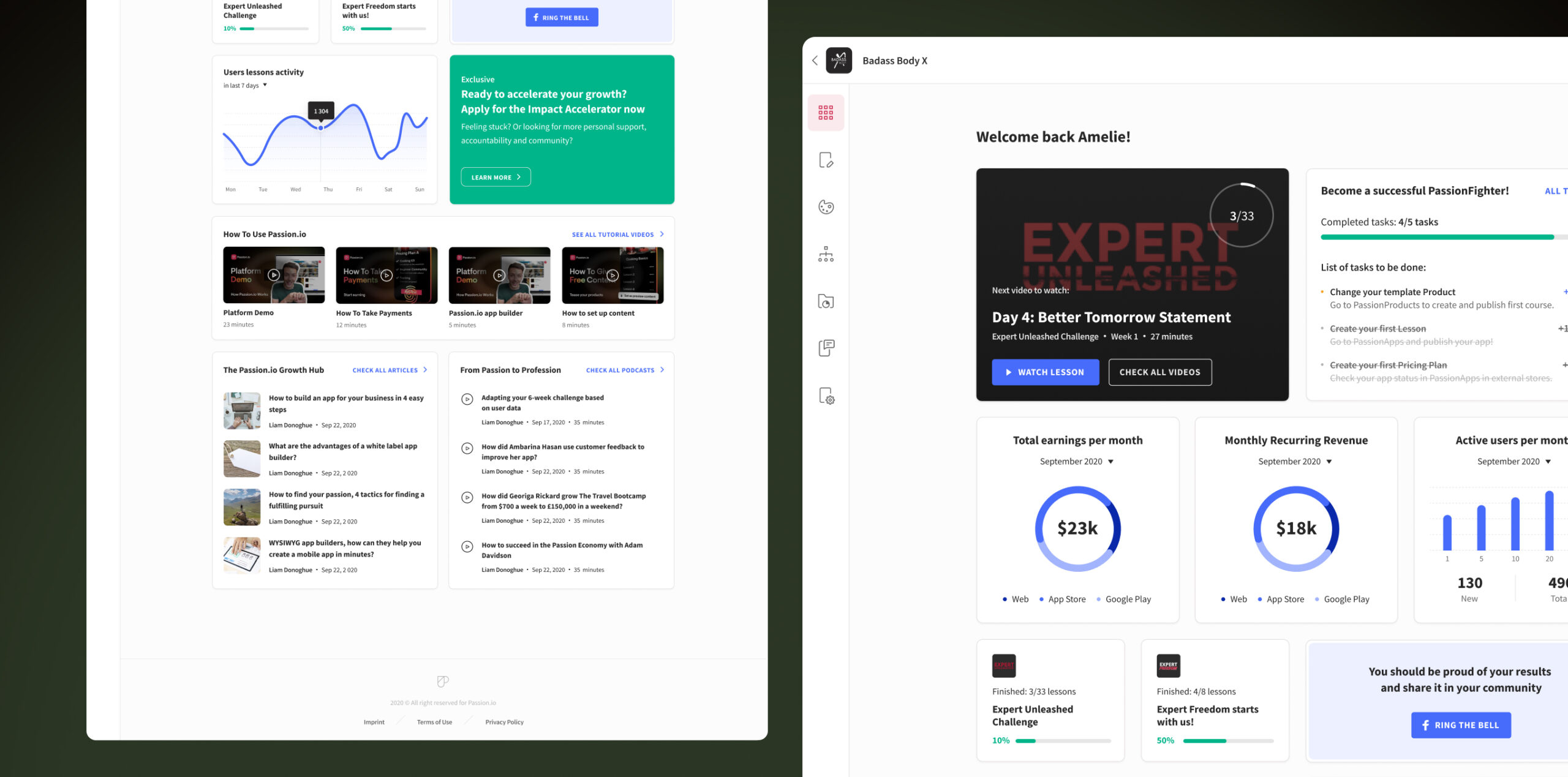
- Building the system before the features — Rather than shipping features into a fragmented UI, I prioritized establishing a consistent component library first. This made every subsequent feature faster to design, easier to implement, and more coherent in the final product.
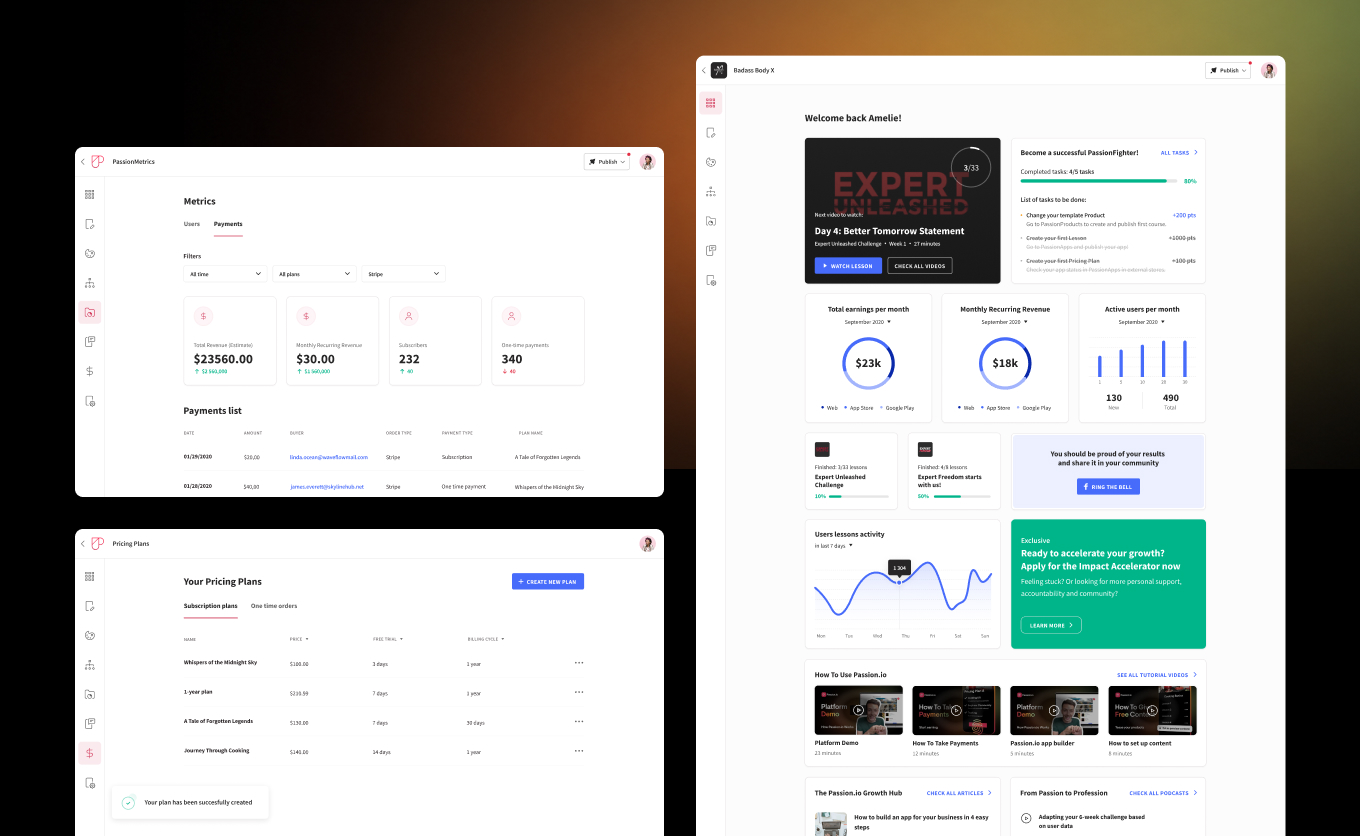
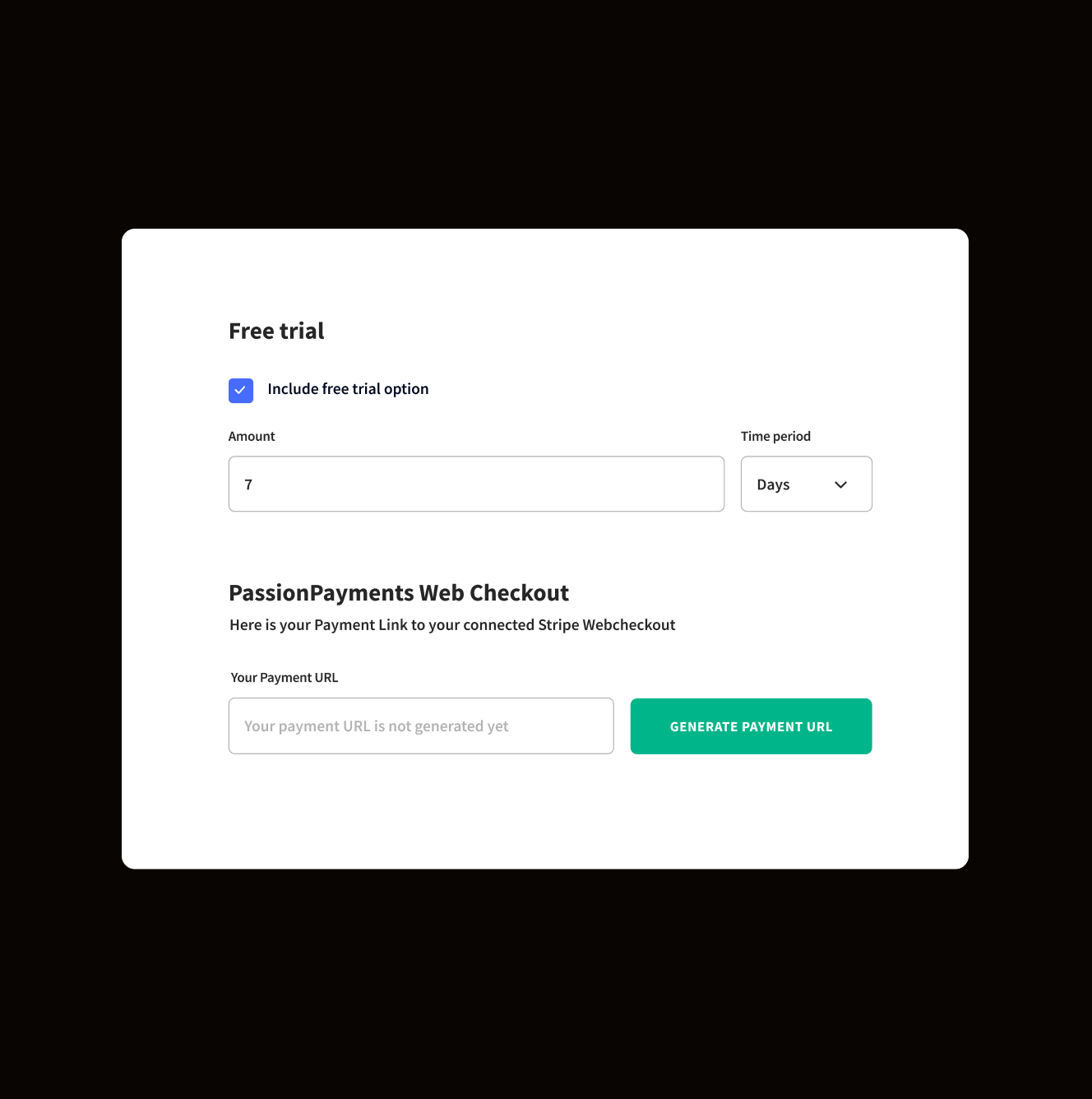
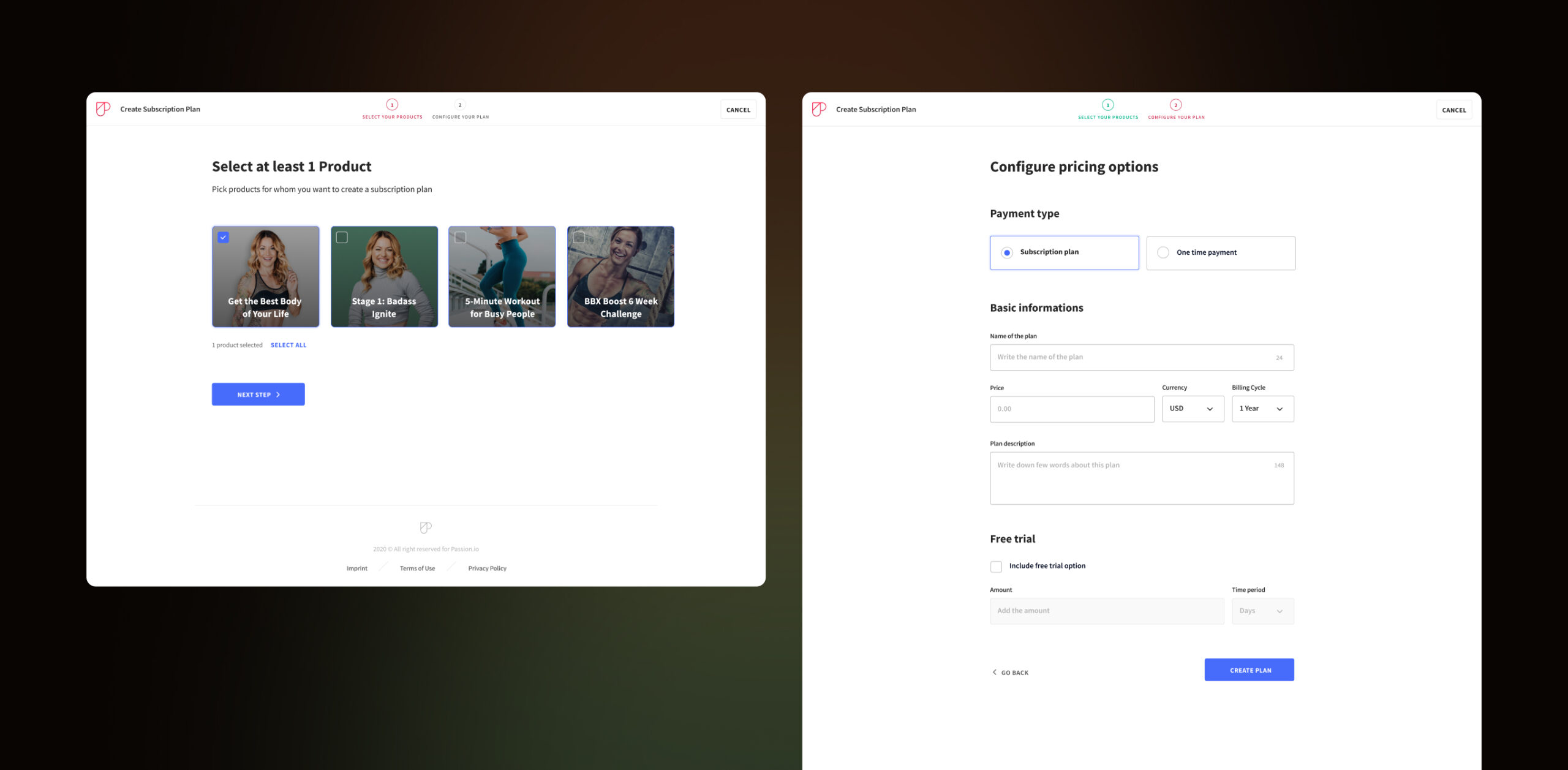
- Pricing plan creator — Complex multi-step configuration logic was simplified into progressive steps, surfacing only what creators needed at each stage. This enabled creators to independently configure subscription and one-time payment plans, reducing dependency on support and giving them full control over monetisation.
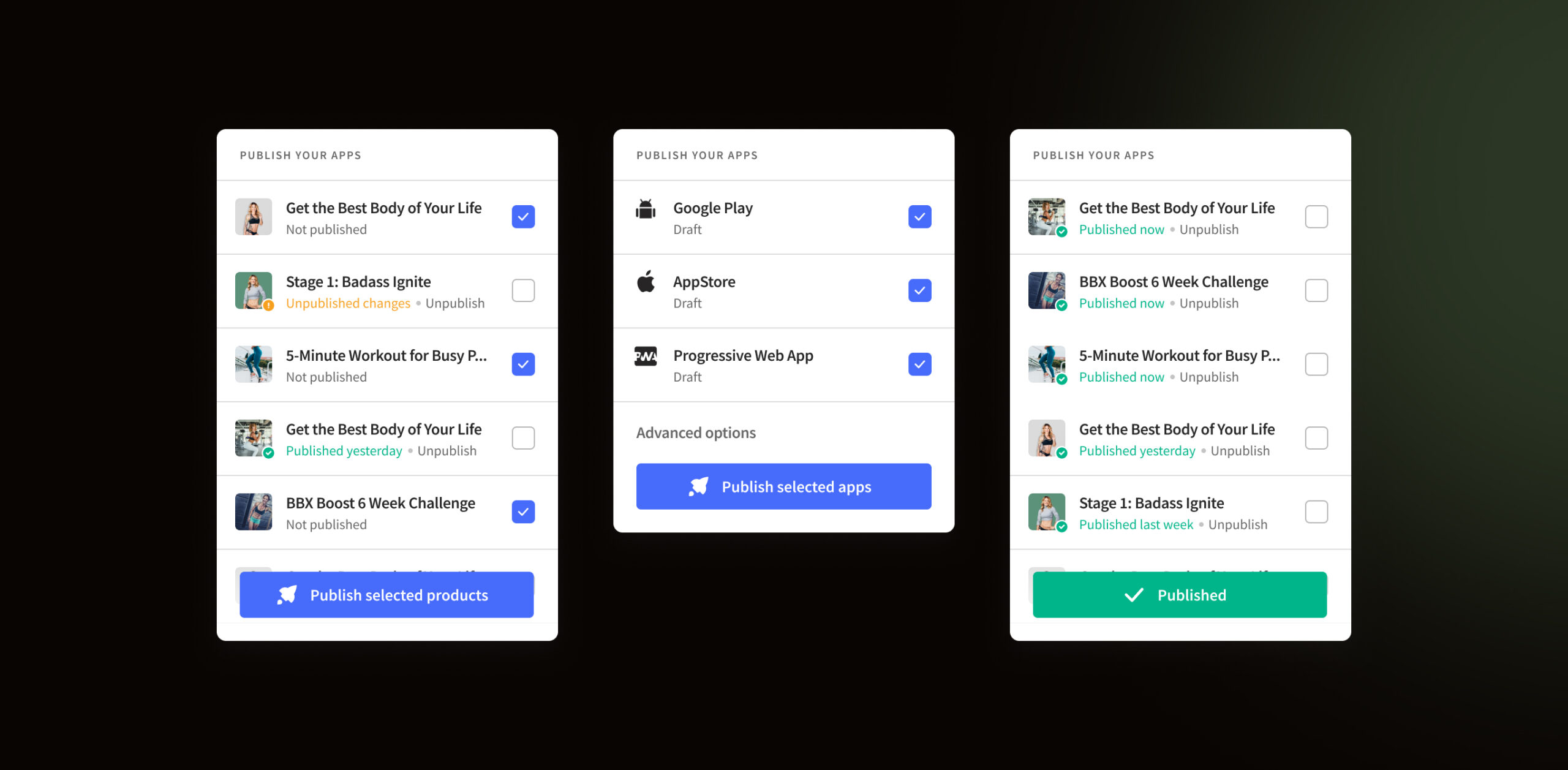
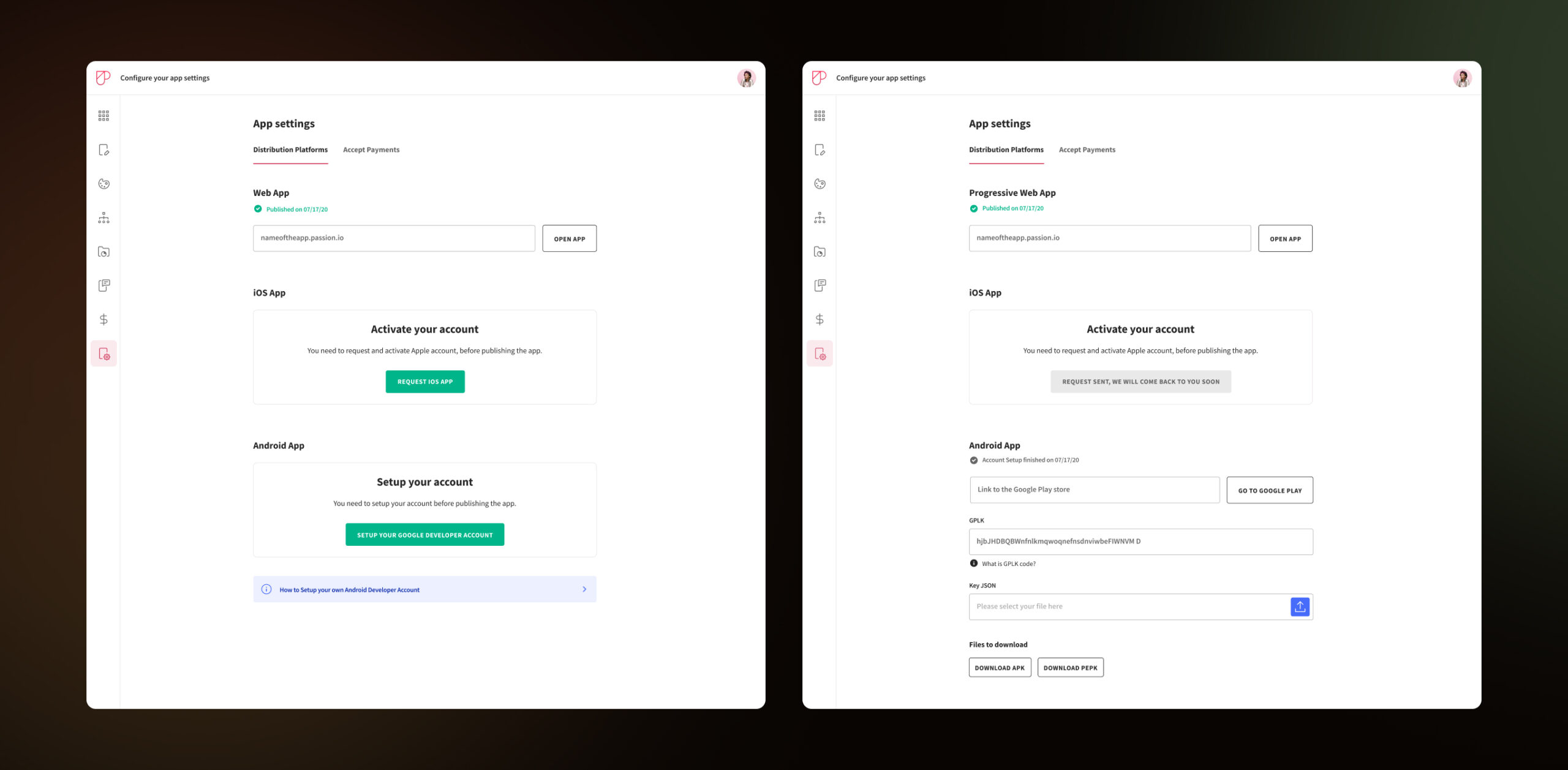
- App distribution flows — The same progressive-disclosure approach simplified PWA publishing to the App Store and Google Play, turning a technically complex process into a transparent, self-serve configuration flow.
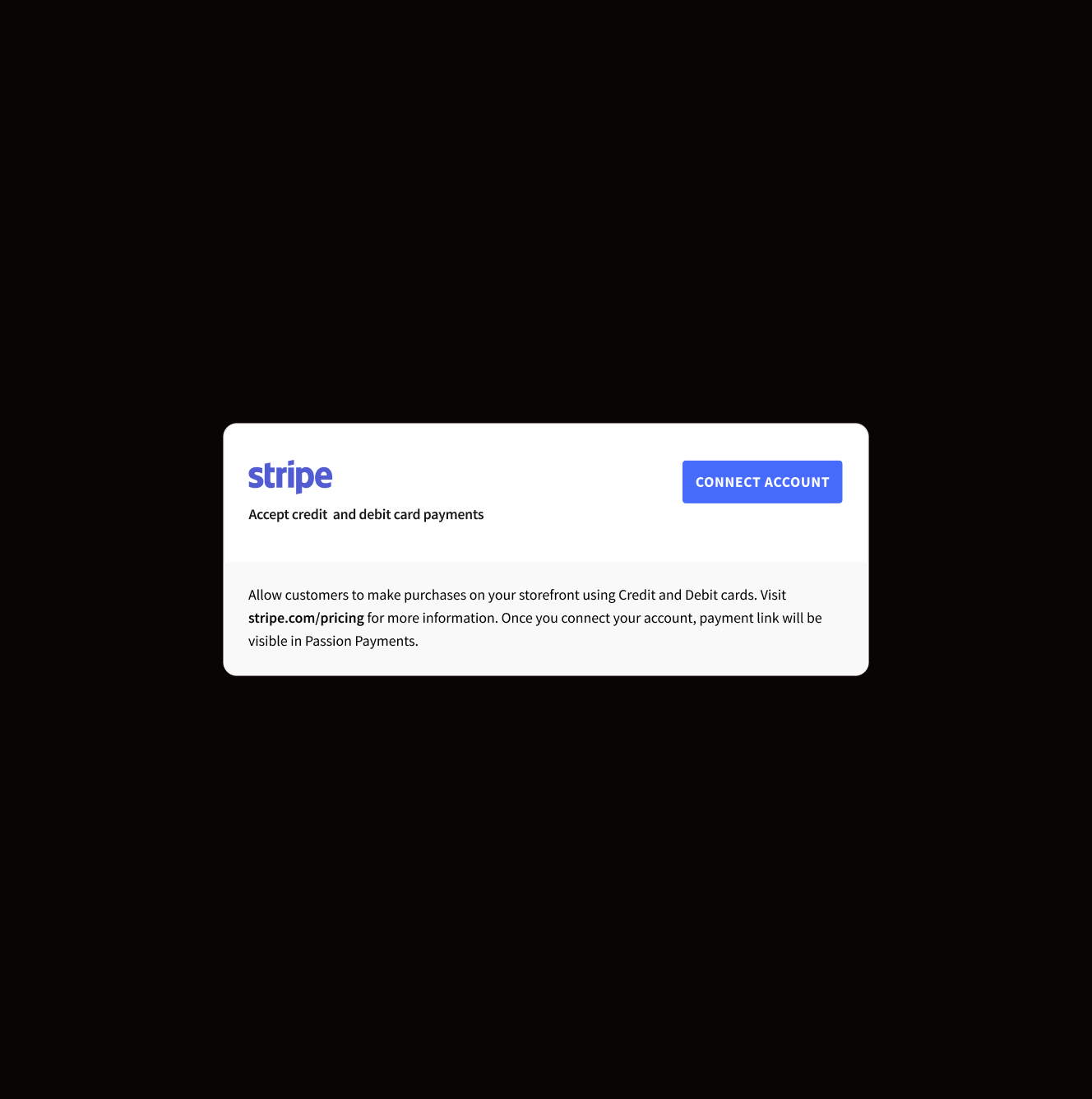
- Payments integration (Stripe) — Streamlined the payment experience for both creators and end-users, removing friction from the transaction flow on both sides of the platform.
- Widgets (Typeform, YouTube, Audio, Calendly) — Extended creator content capabilities by integrating four high-demand widgets across both the creator and end-user apps.
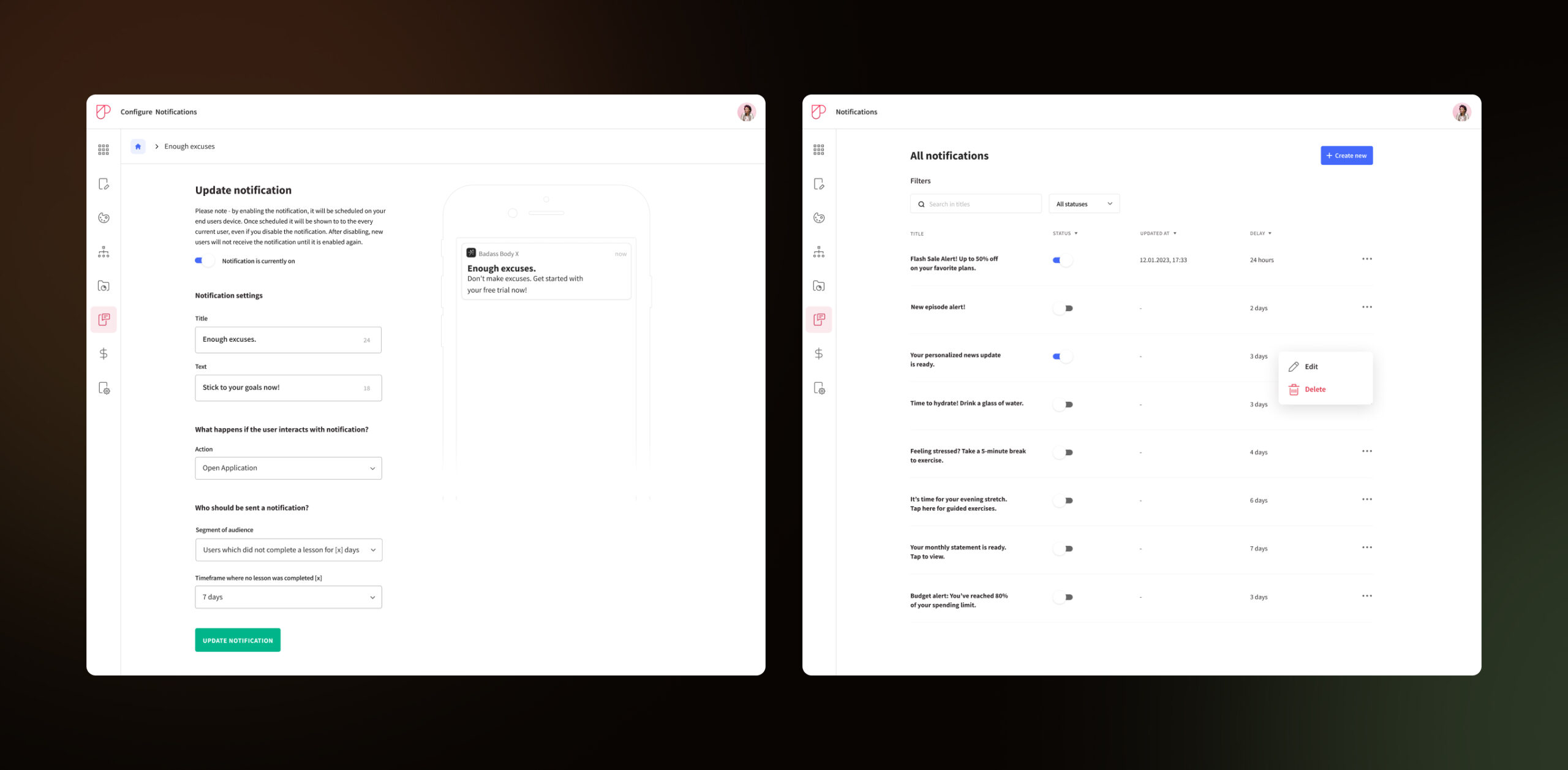
- Notifications centre — Gave users control over their notification preferences, improving engagement and communication between creators and their audiences.
The problem
Creators using Passion.io needed to build and manage no-code mobile apps, but the platform had grown organically — leading to inconsistent UI patterns, fragmented workflows, and increasing friction as new features were added. As the product scaled, the lack of a unified design foundation made it harder to ship new features quickly without breaking existing experiences.
Challenges and Goals
Design cohesive, scalable experiences for a dual-sided platform — serving creators who build apps and end-users who consume them — while maintaining consistency, accessibility, and performance as the product grows.
Approach
I focused on establishing a shared design foundation first — creating a component library that became the single source of truth for all product surfaces. From there, I designed new features grounded in creator workflows, ensuring each addition integrated cleanly into the broader system rather than sitting in isolation.
Impact
Shipping a unified design system reduced design duplication and enabled the team to move faster without sacrificing consistency. New features were grounded in creator needs — each one expanding what creators could do independently, without technical help. The structured handoff process reduced misalignment between design and development, lowering rework across sprints.
Reflection (What I learned)
Working on a dual-sided creator platform reinforced that scalability starts with the system, not the features. Getting the foundation right — shared components, clear patterns, documented guidelines — is what allows a product to grow without fragmenting.